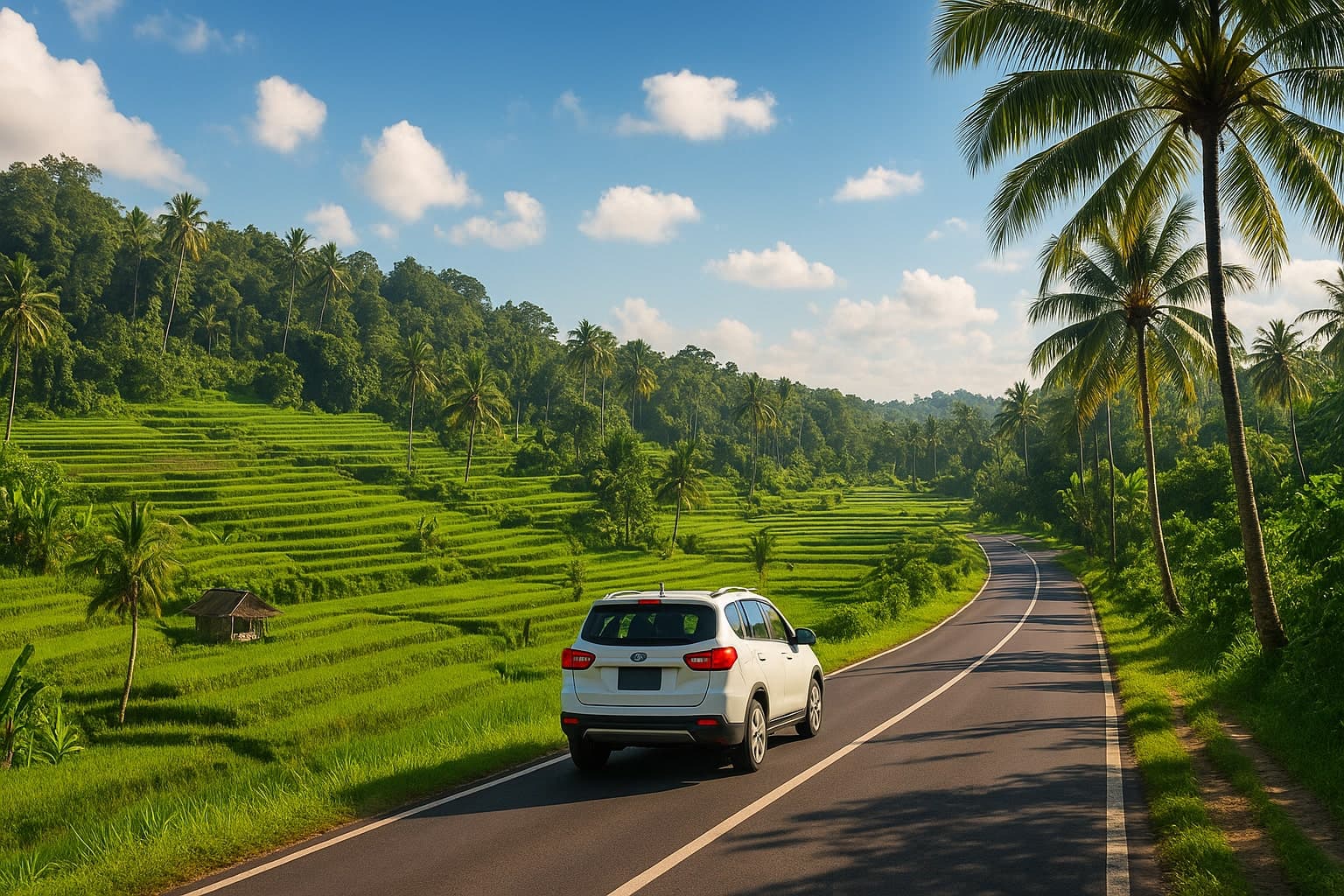
Can tourists drive in Bali? Yes. Foreign visitors can legally drive in Bali with a valid home driving licence and an International Driving Permit (IDP). For most visitors, renting a car is considerably safer and easier than hiring a scooter.
If you've searched "Is driving in Bali safe?" you've probably found plenty of horror stories. The truth is much less dramatic.
We've been visiting Bali for more than thirty years and have rented cars all over the island. While Bali's roads can look chaotic at first, they're surprisingly manageable once you understand how locals drive.
This guide covers everything you need to know before renting a car in Bali - from licences and insurance to local driving etiquette and when you're better off using Grab or Gojek.
1. Should you rent a car or a scooter?
This depends. Scooters aren't for inexperienced riders in Bali. Many tourists come to Bali having never ridden a scooter and think they’ll learn how when they get to the island. This is a bad decision. The roads can be extremely busy, traffic can legally pass you on the left or right so you need your wits about you, and some scooter riders can appear unpredictable to visitors unfamiliar with Bali's traffic. There is serious information overload for a new scooter driver. Cars are a safer bet. For experienced scooter drivers it’s still wise to be aware of the risks.
And, as an aside, Bali police have increased enforcement of helmet use, riding without a shirt and licence checks in recent months, particularly in tourist areas.

2. How to rent a car in Bali
The international car companies like Avis and Hertz are represented on the island but the difference in price between hiring from them and the local car hire companies is big. The international companies charge around Rp1,400,000 per day whereas economy cars from local suppliers generally cost between Rp350,000 and Rp600,000 per day depending on the season, insurance and whether you choose a manual or automatic.
The advantage of the big international companies is that you can more easily rent an automatic car (which is very useful in Bali traffic, or if you're used to a left-hand drive) and you can pay for insurance cover.
At the local companies, which are plentiful and easy to find, you will not have a big choice of cars, and it will be less easy, but not impossible, to find an automatic, which is generally more expensive. The cars are normally significantly older too. You might be able to buy insurance, but it is difficult to work out what it covers. Most often, if you are in any kind of accident, it is accepted that you will pay cash for the damage (which costs significantly less than in most Western countries) and that's often the end of the matter.
If you're renting from a local company, before accepting the car, check the tyres, brakes, lights, windscreen wipers and any existing scratches or dents. Taking photos on your phone before you drive away can also help avoid disputes later. You can always swap the car out but rather check it upfront. If you're staying at one of our villas, our staff will organise a car on your behalf and have it delivered to the villa and fetched from there at the end of your stay.
3. Driving with the correct licence
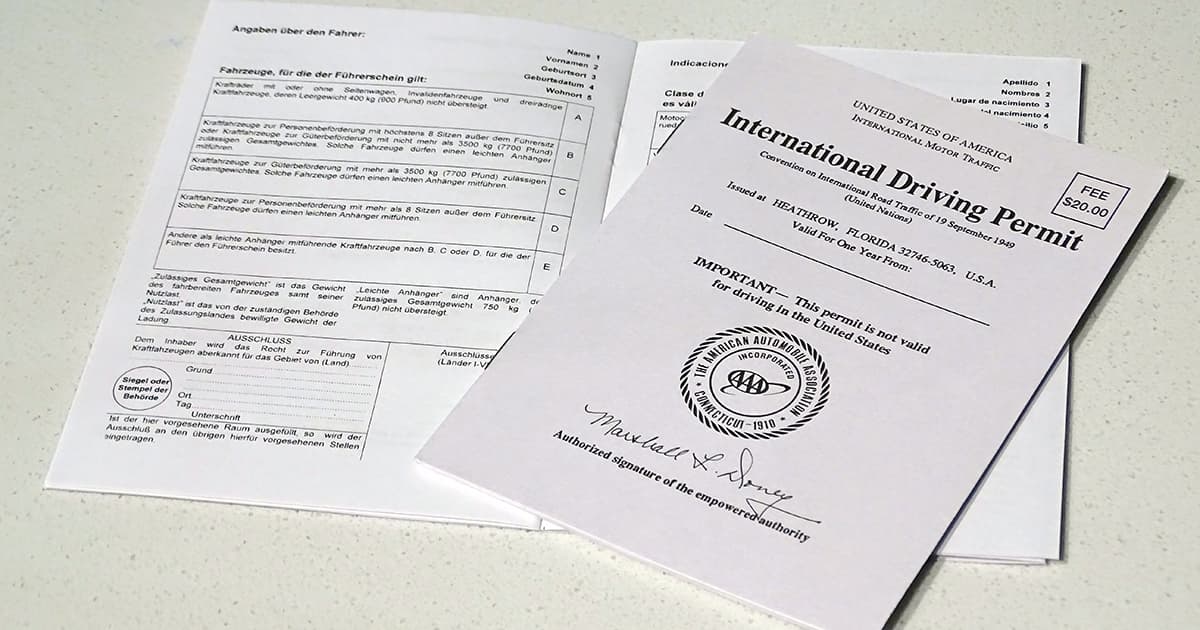
Indonesian law requires foreign visitors to carry both their home driving licence and an International Driving Permit (IDP). While some local rental companies may not ask for one, police can during roadside checks, so we strongly recommend bringing one. This is true whether you intend to rent a car or a bike.
4. Driving style in Bali: Stay calm and go with the flow
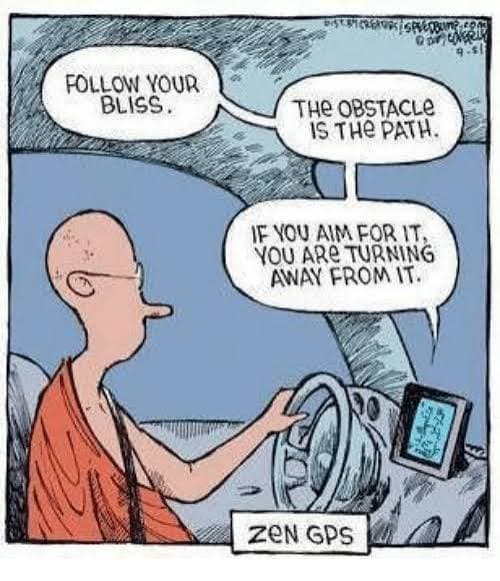
The number one reason why driving in Bali is completely manageable is that nothing happens fast on the island, and that includes the speed of cars! This is partly due to traffic, and partly due to the innate Zen attitude with which people drive. The sooner you key into that, and emulate it, the sooner you’ll settle into the rhythm of driving in Bali.
5. Drive on the left-hand side of the road
Remember to drive on the left-hand side of the road. Not a surprise for some people but for much of the world it does mean a switch of brain hemispheres! And, if you’re used to driving on the right-hand side of the road, remember that you’ll need to get used to changing a gear stick with your left hand if you haven’t rented an automatic car.
6. You need the eyes of a chameleon
Motorbikes/scooters are everywhere. This is not a huge problem, except that in Indonesia it’s legal for motorbikes to pass on the left. That means you need to keep an eye out the whole way around the car. No moving left to give someone more space on the right – you might well be knocking a biker over (who is often so close you can hear them breathe)! It doesn’t help that the Balinese either have no concept of lanes, or don’t really think they’re worth sticking to – either way, you will be amazed by how many lanes you can make out of a small two-way road.
7. How roundabouts (traffic triangles) work in Bali
Triangles are circles...don’t worry, you'll get it! Traffic circles (roundabouts) in Bali work differently to many other countries. In fact, in Bali there are no circles per se (although the concept is the same). Instead, there are “triangles”. As you reach a triangle (thankfully there aren’t very many of them!) both directions of traffic will pass on the side of the triangle closest to the direction you're going in which requires a small leap of faith, and a lot of looking left and right as you cross over the traffic. Again, it very rarely happens at any speed, so you’ll be fine. Once you get the logic of it, it makes perfect sense!
8. Balinese driving culture and road etiquette
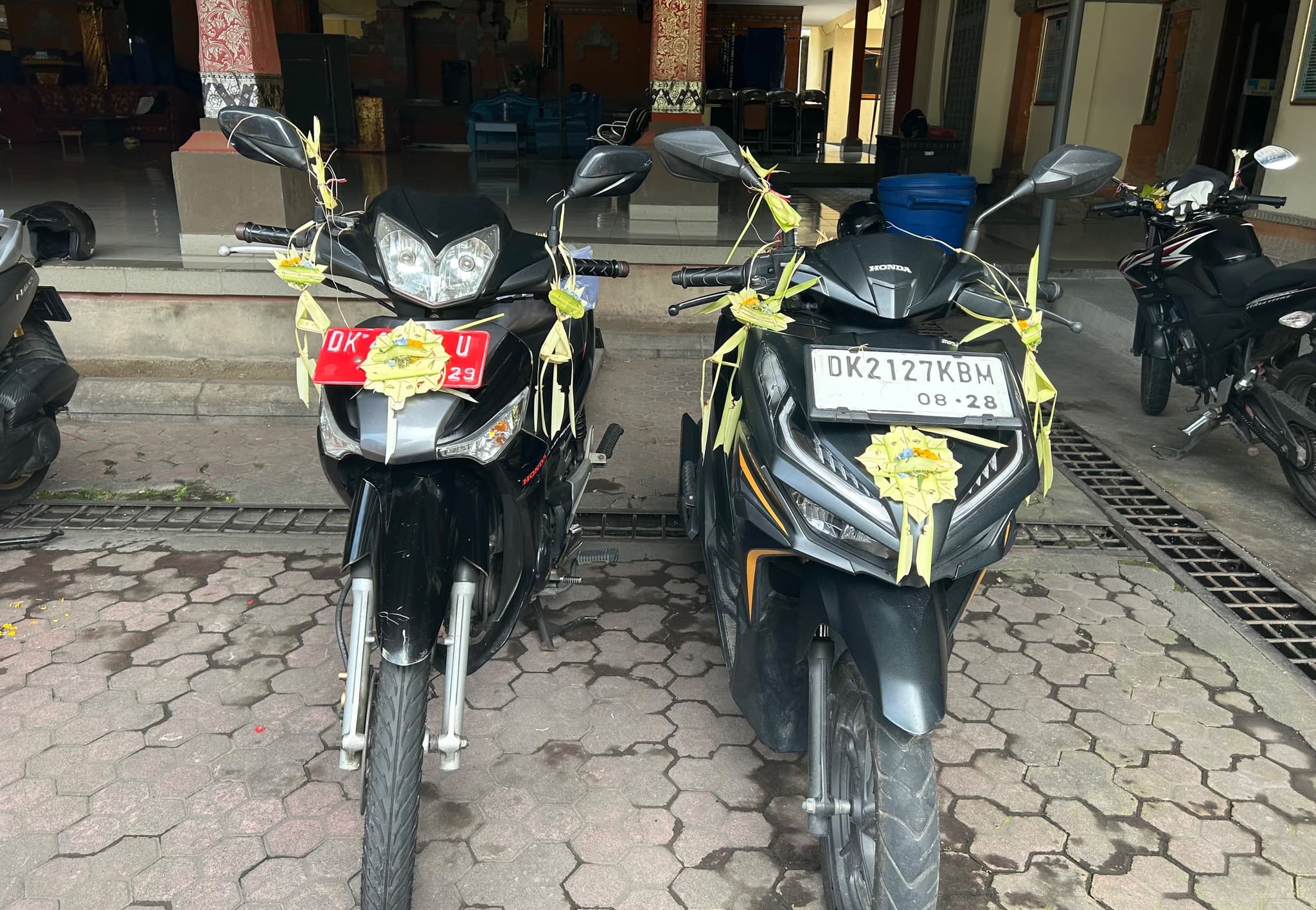
On Bali, spirituality is deeply embedded in every part of everyday life and that includes driving. This is a culture that has an annual day where cars and motorbikes are blessed, and thanked, for allowing the owner to make a living with the vehicle’s help (with offerings placed on the front grille of the car or the motorbike’s handle bars). This then is clearly not a culture that is given to road rage. As a tourist, this works 100% in your favour. You might be driving like an idiot, but nobody is going to be rude enough to draw your (or everyone else’s) attention to it! Return the favour and don’t get angry with the locals either!
9. The car hooter is your best friend
Which brings me to the car hooter. Your hooter should (will, must...) become your friend – never for road rage, but rather to indicate things like your presence as you approach a blind corner, or if you're about to overtake somebody and just want to let them know you're coming. A lot of the time everyone in the queue at a traffic light will toot their hooter politely to let the person at the front of the queue know that the light has changed (in case they need the help - and even if they don't). None of this is done aggressively - the hooter is used for plenty of things while driving in Bali - but never for road rage
10. Keep your eyes on the road
Possibly because things generally don’t happen at particularly high speeds, Balinese drivers seem to have a blind faith in something that you, as a foreigner, need to be constantly vigilant of. They subscribe to the theory that “if I have seen you then you have definitely seen me”. This is most frequently used when overtaking. So, when a large, slow truck packed full of sand decides to overtake into the smallest gap ever as you head on a direct course to hitting him – he “knows” you’ve seen him and therefore you will slow down, move left or just stall with fear in the middle of the road (kidding!) Jokes aside, you need to always keep your eyes on the road for this reason - there’s a lot more happening on the road than you might be used to!
11. Be Confident at intersections
Know this to be true - if you’re unassertive, you’re going to be stuck at the intersection until your flight home! The Balinese are not about graciously letting you into the traffic. Each driver – politely, quietly, but determinedly – will inch their way into the traffic because they want to get home in time to sleep in their own bed that night. You therefore have no choice but to follow suit or you will sit through umpteen traffic light changes (and a lot of horn honking)!
12. Google Maps is essential for driving in Bali
Bali has upped its game substantially with regard to directional road signs however Google Maps remains a must. It works very well throughout Bali, and many locals and tourists now also use Waze for avoiding traffic.
Sometimes Google Maps tries to direct you down very narrow lanes because it is shorter. Once you're on a narrow road, passing an oncoming car can be very difficult. Where possible, avoid these routes and stay on the wider roads.
I would suggest you get a local tourist SIM card or e-sim for your phone and load data. They’re cheap as chips, easily available everywhere and you can then use Waze or Google Maps anywhere on Bali. Remember to ask specifically for data because it's bought separately to voice airtime (which is known as Pulsa). The best companies are Telkomsel and XL.
Useful tip: Download Google Maps offline before you set off in case you lose signal in remote parts of the island.
13. Refuelling your car in Bali
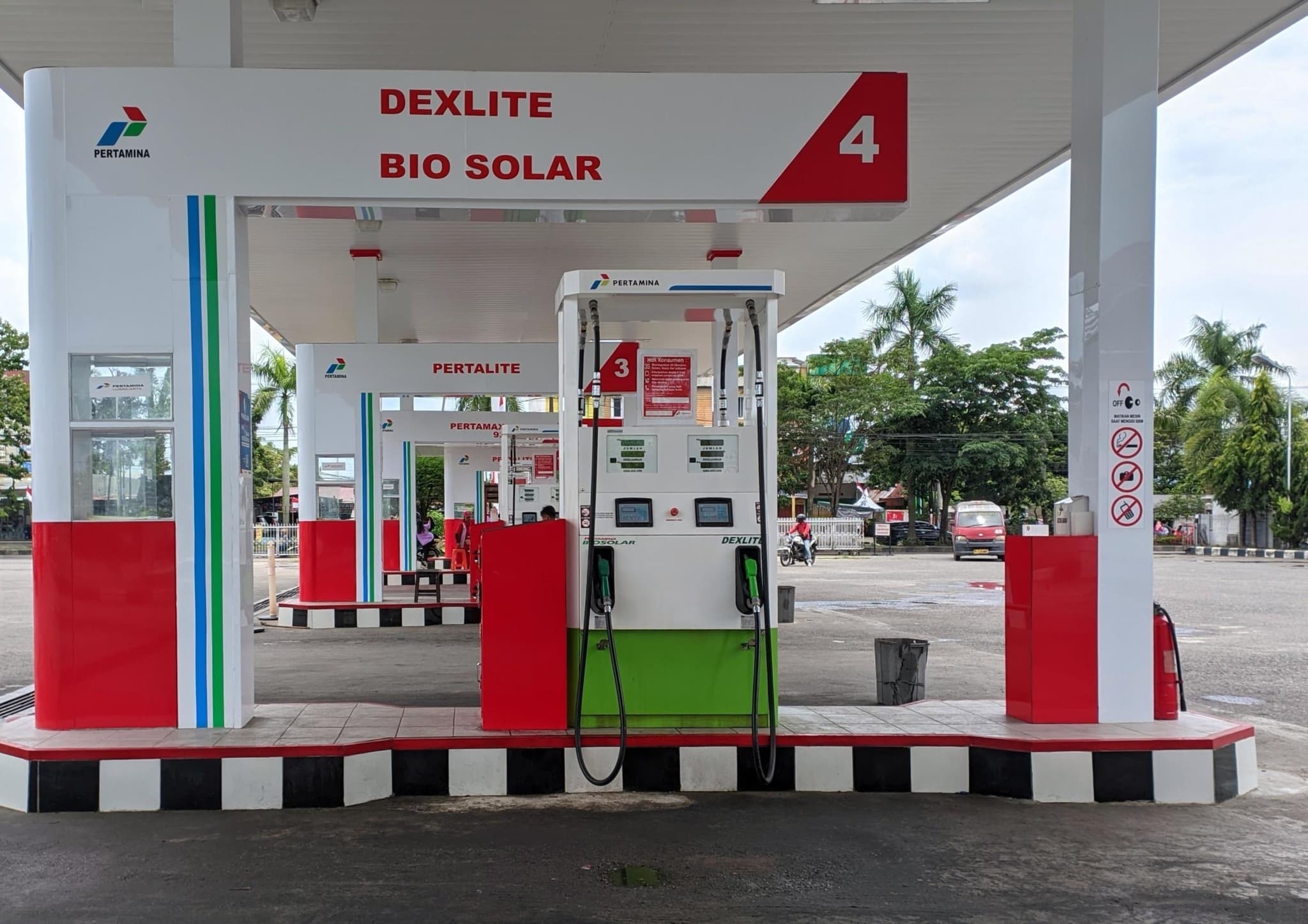
Petrol in Bali is probably cheaper than you are used to as the government subsidizes the price. It also doesn’t cost a lot to refuel because you’re generally not covering big distances. Pertamina is the petrol provider, and they have two main varieties of fuels - Pertamax (high performance for cars) and Pertalite (normally used for scooters). Most stations have attendants to assist you but be warned, there are not as many stations as you would imagine, particularly outside of southern Bali so, if your tank is starting to look low, fill up.
14. Parking in Bali
Parking in Bali can be a problem because there isn’t a lot of it. It is never appreciated by the locals to park on a pavement outside a shop that you are not intending to visit. If you do find parking, there is usually an attendant who will help you. This is standard and you need to pay them about Rp3,000 – Rp5,000. This is not a tip, it is payment for the parking and the help comes free.
15. Bali toll roads
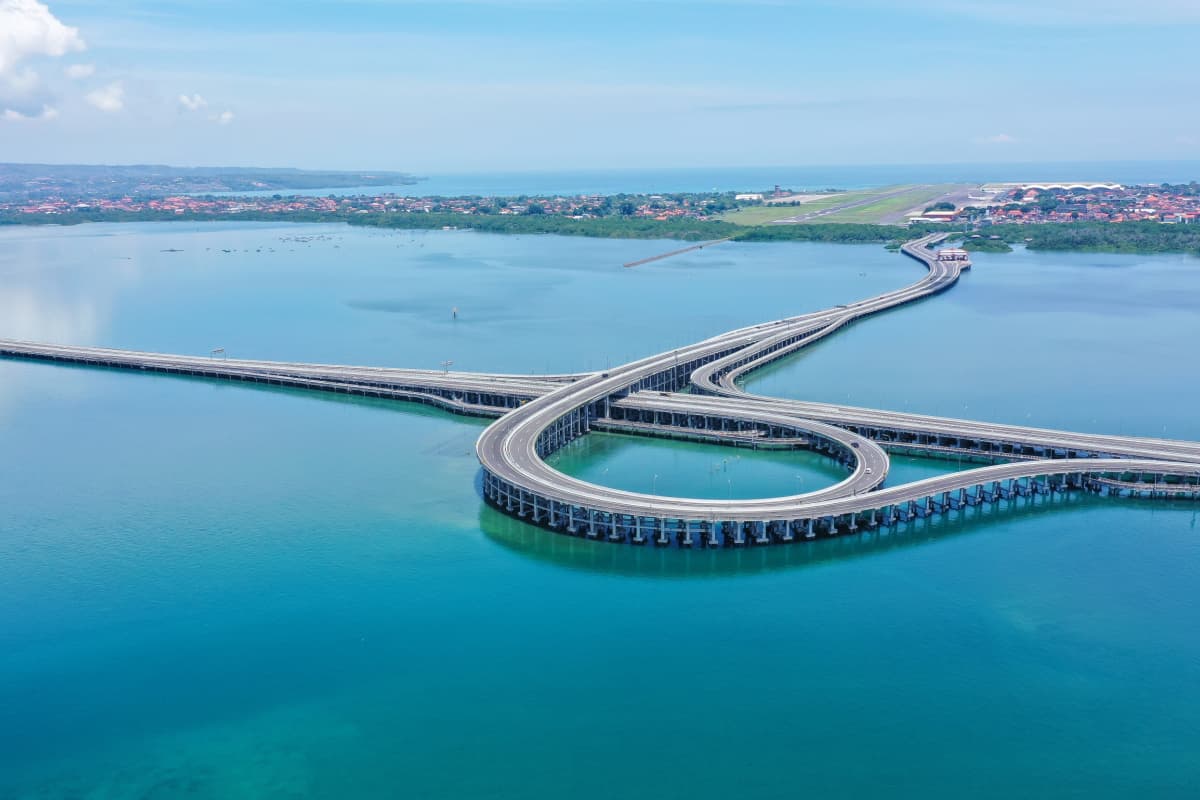
Bali has one main toll road in the south that is routed over the sea. It primarily joins Sanur, Kuta, the airport and Nusa Dua and can significantly reduce your travelling time. It is very inexpensive to use, currently Rp14,000 for cars. However, you can’t pay cash. You need to load an e-money card, that is bought at the supermarkets Indomaret and Alfamart. You can also use the card at parking garages, petrol stations, on some public transport and at Indomaret and Alfamart for shopping. You can’t refund the money at the end of your trip so it’s best to spend it while you’re in Bali.
16. Driving in the rainy season
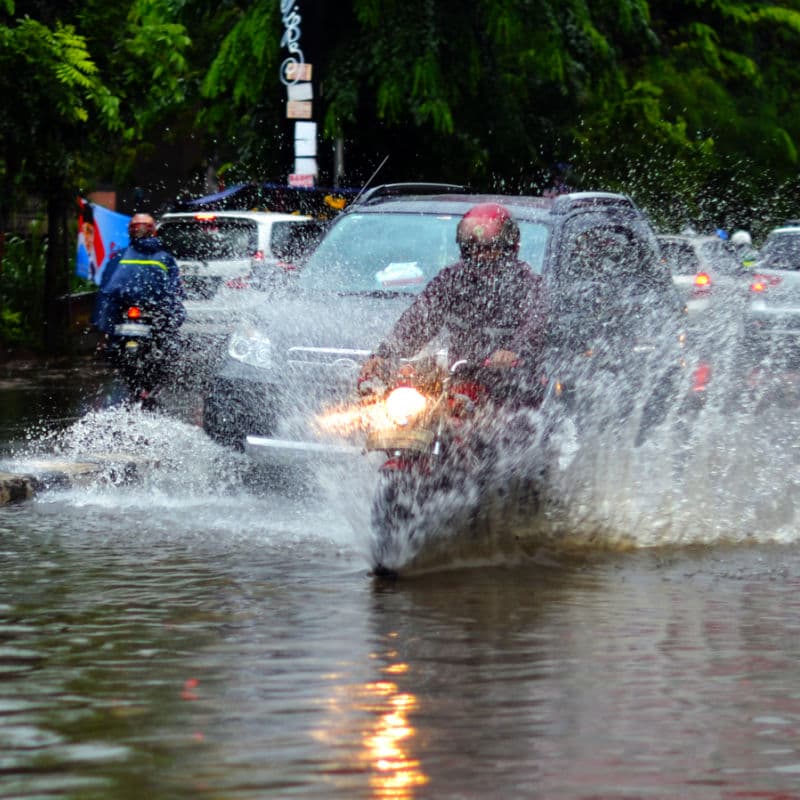
During Bali's rainy season (roughly November to March), roads can become slippery and visibility can drop quickly during tropical downpours. Roads can quickly become flooded because the drainage system is generally not good enough. Reduce your speed and avoid driving through flooded roads where possible. If you’re already on the road just follow that the car in front of you is doing – the Balinese are used to these conditions.
17. There's a good alternative to self-drive
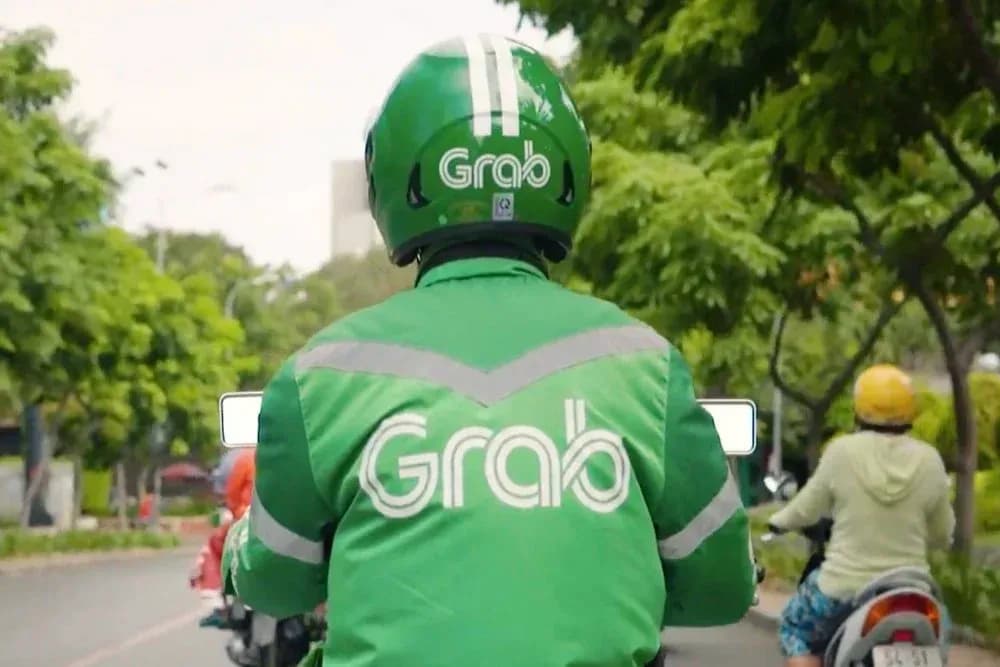
If all else fails, the ride-hailing services in Bali are Gojek and Grab. Both offer motorbike and car alternatives. They are plentiful, and generally much cheaper than regular taxis in Bali, and very much cheaper than many other places in the world. You will need to download the apps on your phone from either the Apple App Store or Google Play (and often you can only do it once you're in Bali). You can pay cash with both companies. You can also link your bank account (if your bank is on the list in the app) or you can top up your account at a supermarket like Indomaret or Alfamart - the cashiers will assist you.
Gojek and Grab are widely available on the island although there are certain areas that allow you to be dropped off but won't allow you to start your journey there (in an attempt to protect the business of the local drivers in those areas). It's difficult to know exactly what those areas are until you're there, but the rule of thumb is that the more built-up areas like Ubud, and those around southern Bali, have plenty of drivers.
Alternatively, we have reasonably priced knowledgeable drivers, who speak good English, available at all three of our villas. Our managers can organise a car and driver to match your group size at very short notice. There’s no need to pre-plan your days if you’d prefer to be spontaneous.
Whether you're renting a car in Bali for a day or planning a two-week road trip around the island, driving gives you the freedom to discover places that organised tours rarely reach. As long as you drive patiently, carry the correct licence and respect local road etiquette, self-driving in Bali can be one of the most rewarding ways to explore the island.
If you'd rather leave the driving to someone else, Grab, Gojek and private drivers are all excellent alternatives. Either way, you'll have the freedom to experience the real Bali beyond the busiest tourist areas. Just remember to keep your karma good!
Prices and regulations were checked and updated in 2026.
Frequently Asked Questions
Is it safe to drive in Bali?
Yes. Most visitors who rent a car in Bali find it far less intimidating than they expected. Traffic moves slowly, local drivers are generally patient and serious road rage is uncommon. The biggest challenges are narrow roads, scooters overtaking on both sides and staying alert. If you drive defensively and don't rush, driving in Bali is generally a safe and enjoyable way to explore the island.
Can foreigners drive in Bali?
Yes, Foreign visitors can legally drive in Bali provided they carry a valid driving licence from their home country together with an International Driving Permit (IDP).
Local rental companies are unlikely to ask to see an IDP, but the police can request it during roadside checks, so it's recommended to have both documents with you whenever you're driving.
Is it better to hire a driver?
That depends on the type of holiday you're planning. Hiring a driver is the more relaxing option, especially if you're unfamiliar with Bali's roads or simply want to enjoy the scenery without worrying about navigation or parking. At all three of our villas, Villa Sagitta and Villa Tau in Ubud and Villa Cocoa Maya in Candidasa, we can arrange transport with a private driver on an hourly, half-day or full-day basis, with fuel included in the price.
Renting your own car for a self-drive holiday, however, gives you complete flexibility. You can stop whenever you like, explore quieter villages and waterfalls, and change your plans as you go. If you stay with us, we're happy to arrange a rental car to be delivered to your villa before you arrive and collected again when you leave.
Is it difficult to drive in Bali?
Driving in Bali is different rather than difficult. The biggest challenges are the large number of scooters, the sometimes unpredictable flow of traffic and the narrow roads. As my sister likes to say, many roads feel like "a single lane with a line painted down the middle!" There are also drainage ditches alongside many roads, so there's often little room to pull over. Once you adjust to the slower pace and driving style, most visitors find it much easier than they expected.
Can I rent an automatic car in Bali?
Yes. Automatic cars are widely available through international rental companies and are becoming more common with local suppliers, although they are usually more expensive and can book out during busy holiday periods. If you're arranging a rental through our villa managers, simply let us know in advance that you'd prefer an automatic and we'll do our best to organise one for you.
How much does it cost to rent a car in Bali?
Rental prices vary depending on the season, the type of vehicle and whether you rent from an international or local company. As a guide, international companies such as Avis or Hertz typically charge around Rp1,400,000 per day, while local rental companies generally charge between Rp350,000 and Rp600,000 per day for an economy car. Automatic vehicles usually cost a little more than manual cars.
Is Google Maps reliable in Bali?
Yes. Google Maps for Bali has improved enormously over the years and is now very reliable for navigating around the island. It often suggests several routes, but we generally recommend choosing the one that uses the larger roads, even if it's a little longer, as it usually makes for a far less stressful drive. Waze is also an excellent alternative, particularly if you're trying to avoid heavy traffic in the island's busier areas.