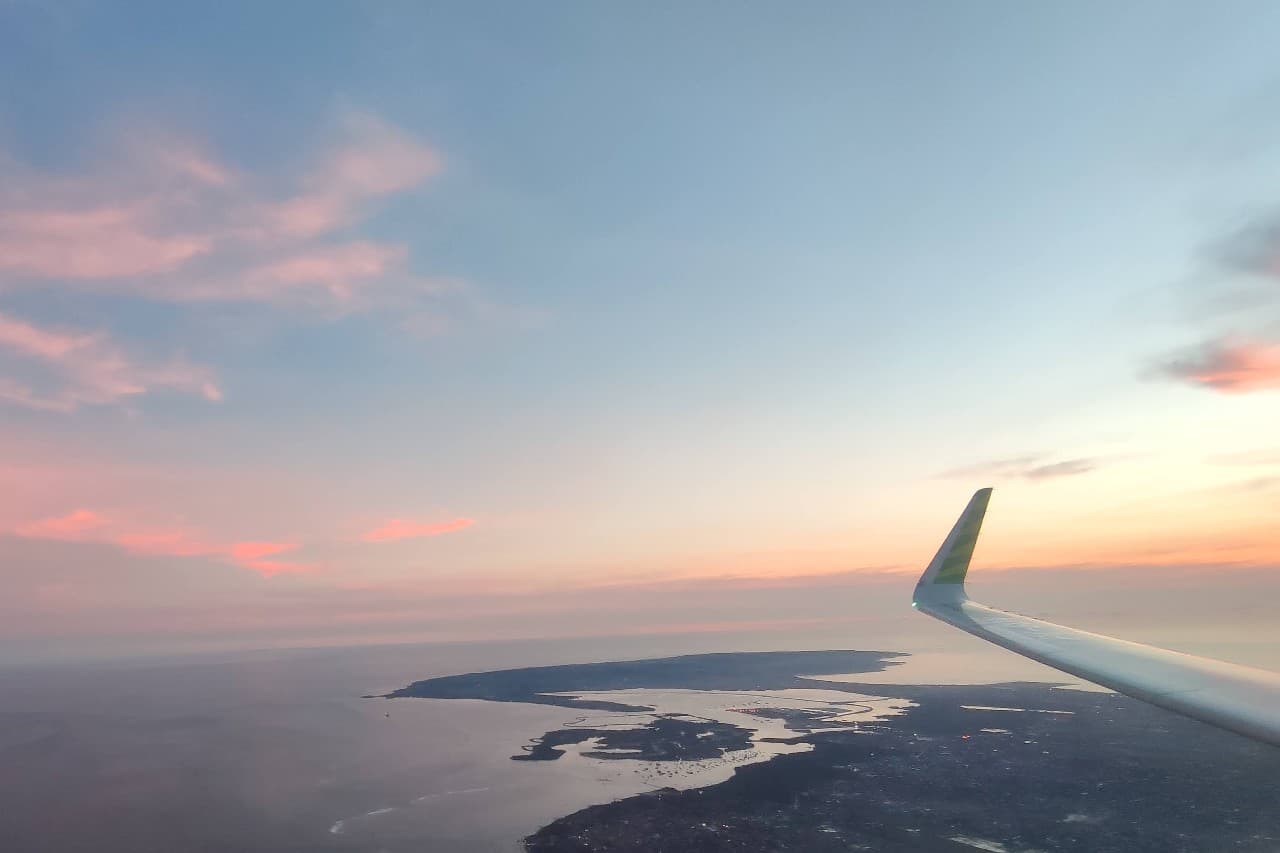
Bali sits on the Pacific "Ring of Fire," which means volcanic activity, earthquakes, and the occasional flight disruption are simply part of life on the island. None of that should put you off visiting — but it does make travel insurance for Bali one of the smartest investments you'll make before you fly, no matter where in the world you're headed.
Here's what a good policy actually covers, where the gaps usually are, and the questions our guests ask us most.
Why Travel Insurance Matters More in Bali
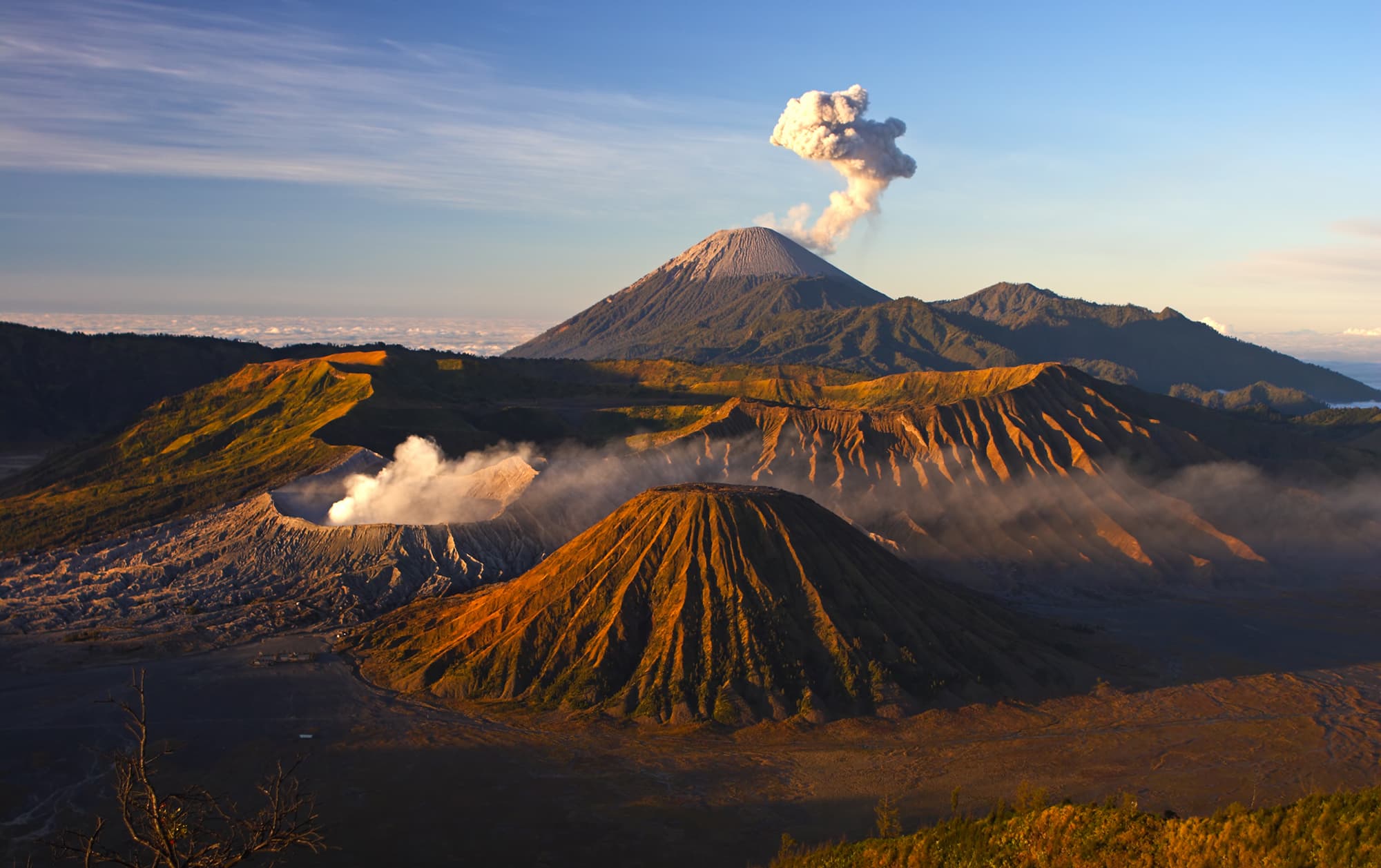
Natural disasters rarely stay contained to one spot. A volcanic eruption on a neighbouring island can ground flights across the whole region, even if Bali itself is unaffected. That kind of ripple effect is exactly what comprehensive travel insurance is designed for — and comprehensive cover is usually the only tier that includes natural disasters at all.
It's worth reading the fine print here, because policies define a natural disaster fairly narrowly: typically a flood, fire, hurricane, tornado, earthquake, volcanic eruption, blizzard, or avalanche caused by natural forces. Not every plan covers every item on that list, so check before you buy.
A quick note on free cover: many credit cards and banks include a basic travel insurance policy if you book your flights with that card. It's a nice bonus, but the coverage is usually thin. If you want proper natural disaster protection, you'll likely need to add a "top-up" package on top of it.
The Simplest Way to Protect Your Trip
Here's the good news: the fix for almost every "what if" scenario is the same — buy comprehensive travel insurance early, ideally the same week you book your flights. It's the one step that puts you in control if plans change, rather than leaving you hoping someone else will sort it out for you.
When Won't Travel Insurance Pay Out?
This is the part that causes the most disputes at claim time.
1. Simply changing your mind. Deciding not to travel because a natural disaster might happen isn't a valid claim. Insurers only pay out if your destination is officially declared "uninhabitable" or your travel is "significantly delayed." Your accommodation provider also isn't obligated to waive cancellation fees just because of a potential disaster — that's precisely what your insurance is meant to handle.
2. "Known events." This is the big one. The moment a hurricane is named, a volcano is flagged as likely to erupt, or a storm is officially forecast, it becomes a "known event" — and known events are never covered. This is exactly why it pays to buy your policy well before departure, not the week before you fly.
3. Ignoring official travel warnings. If you travel against a government-issued advisory, most insurers will consider that reckless and may void your cover entirely.

What You Can Claim For
Before you leave: If your destination is deemed uninhabitable, or your flight is cancelled or rebooked at a time considered a significant delay, your policy should cover it.
During and after your trip: If you're stranded in Bali due to a natural disaster, contact your insurer immediately to confirm what's covered and how to claim for unexpected expenses. Keep every receipt and every email — insurers will ask for a paper trail.
Don't Forget Motorbike Cover
Natural disasters aren't the only reason to insure your Bali trip. If you're planning to ride a motorbike here, motorbike-specific insurance is essential — standard travel policies often exclude it entirely. Local news and social media are full of GoFundMe campaigns from tourists covering motorbike accident bills out of pocket.
Even with the right policy, insurers typically require three things to pay out:
- You were wearing a helmet at the time of the accident
- You hold a valid driving licence for motorbikes recognised in Indonesia (an International Driving Permit with a motorcycle endorsement, alongside your home licence) — see our guide, Driving in Bali: Essential Tips for Tourists (2026 Guide), for the full details
- You weren't under the influence of alcohol when the accident occurred
Where to Compare Policies
Every travel insurance plan is different, so it's worth comparing a few before you commit:
- Australia: iSelect Travel Insurance
- USA: TravelInsurance.com
- UK: Compare the Market
- Europe: GoCompare Travel Insurance
Frequently Asked Questions About Bali Travel Insurance
Is medical care in Bali cheap enough that I can skip travel insurance?
Medical care in Bali is often cheaper than in the US, UK, or Australia — but private hospital bills can still add up fast, especially at facilities like Bali International Hospital in Sanur, BIMC Hospital, or Siloam Hospitals Denpasar. Some policies exclude specific private hospitals or require a co-payment, so check your plan's fine print before you rely on "it'll be cheap anyway."
Is travel insurance legally required to visit Bali?
No — it's not a legal requirement to enter Indonesia, but it's strongly recommended given the medical costs, motorbike accident rates, and the island's natural disaster risk.
Do I need separate cover for extreme sports in Bali?
In most cases, yes. Standard policies typically exclude injuries from extreme sports, so if you're planning white-water rafting, surfing, volcano climbing, or a quad bike tour, you'll need to add an extreme sports rider to your policy.
Will I be covered if a volcano erupts or another natural disaster happens during my trip?
Only if you've bought comprehensive cover — and even then, always check the fine print, since coverage varies significantly between providers. Because Bali sits on the Ring of Fire, even an eruption on a different island can disrupt flights here, so natural disaster cover is genuinely worth having.
Will my car license be enough to cover me on a motorbike in the event of an accident?
No — your travel insurance won't pay out on a motorbike claim unless you hold a licence specifically valid for motorbikes. Riding without one also breaks local law, and Balinese police carry out frequent spot checks, so it's not something you can easily talk your way around as a tourist.
The Bottom Line
Bali is one of the most rewarding places you can visit — but its location on the Ring of Fire, its road conditions, and its mix of private and public healthcare all make it a destination where the right travel insurance genuinely pays for itself. The rule of thumb is simple: buy comprehensive cover, buy it early, and read the fine print on natural disasters, hospitals, and motorbike riding before you rely on any of them. Get those three things right, and you can spend far less time worrying about the "what ifs" and far more time enjoying the island.
Planning a stay with us? We always recommend sorting your travel insurance as early as possible — ideally the same week you book your flights — so you're fully covered before any "known events" can affect your trip.